The Hudson Valley
The Hudson is not really a river for much of its length. From the harbour at New York up to the federal dam at Troy, some 150 miles inland, it is a tidal estuary: the tide runs up it twice a day, and the water at Poughkeepsie can be flowing north. The Mahican people called it Muhheakantuck, the river that flows both ways, which is a better description than the English name.
Hudson and the Dutch
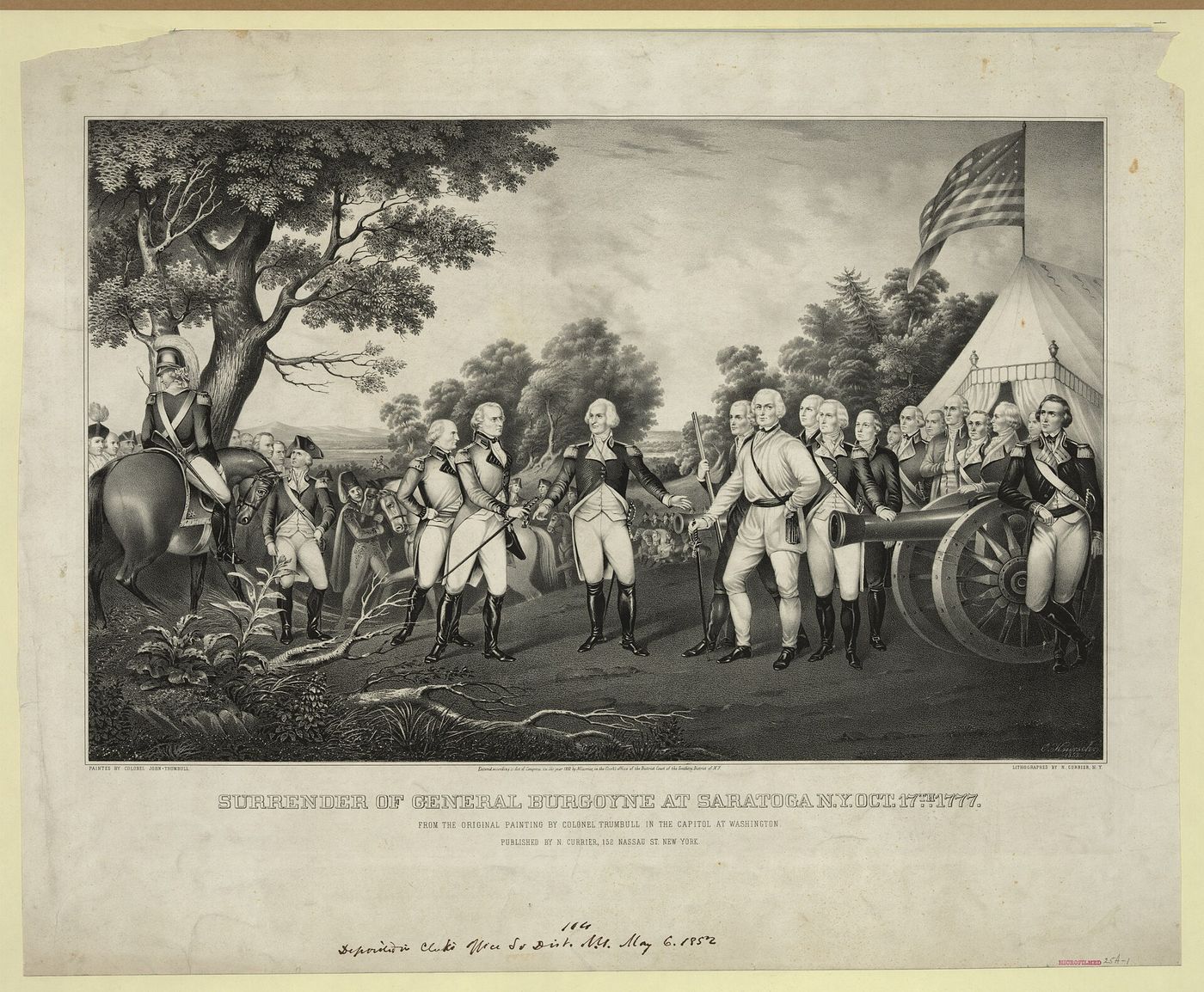
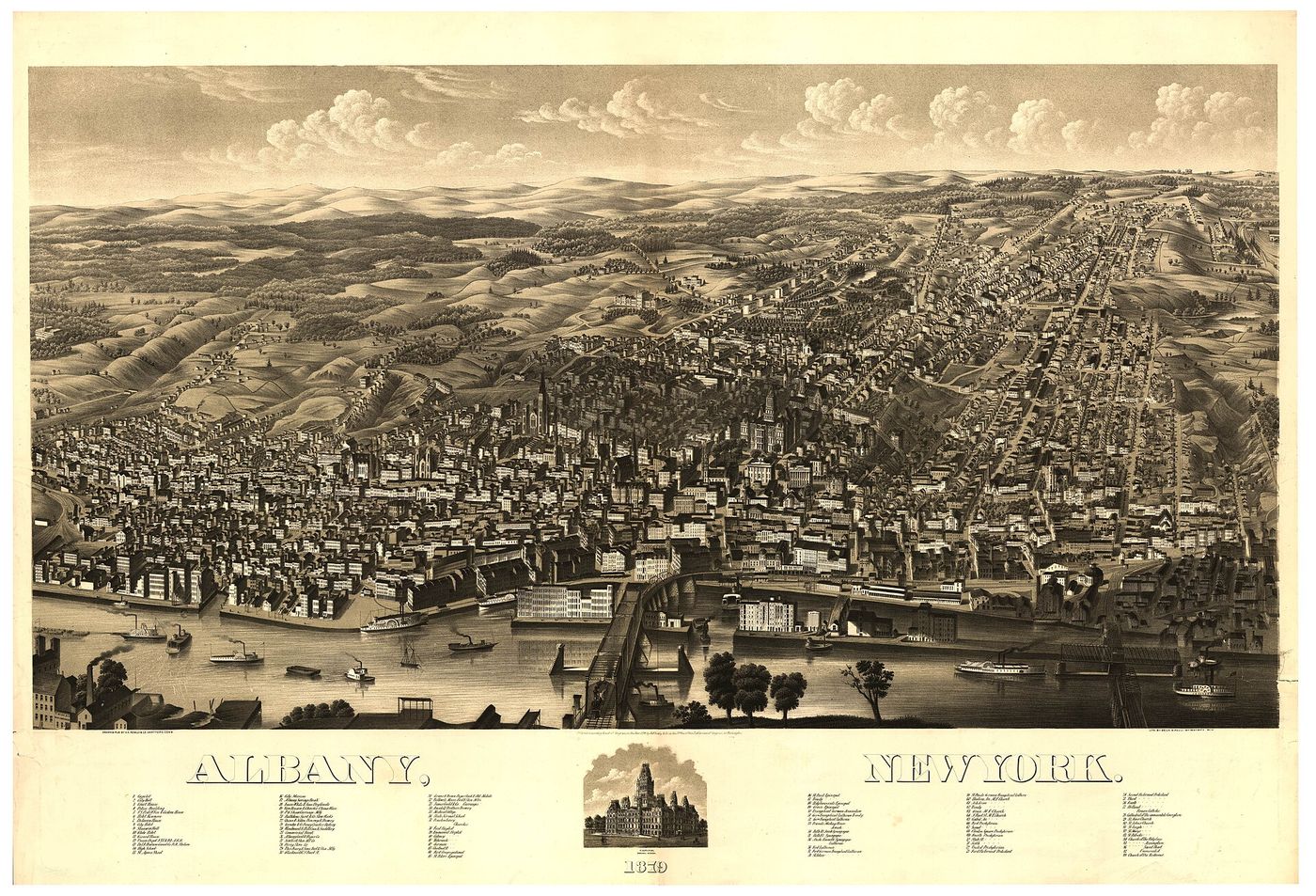
Henry Hudson entered it in September 1609, sailing the Halve Maen for the Dutch East India Company and looking, as everyone then was, for a passage to Asia. He got as far as the site of Albany before the shoaling water made it plain that this was not the route, but the report he carried back was enough. Within fifteen years the Dutch had a trading post at Fort Orange and a settlement at the river’s mouth.
The Dutch left two things on the valley. The first was the fur trade, which set the pattern of relations with the Iroquois and the Mahicans for a century. The second was the patroonship, a grant of land on feudal terms to anyone who would settle fifty colonists on it. Rensselaerswyck, around Albany, was the only one that really succeeded, and its tenancies outlasted Dutch rule by two centuries. The anti-rent agitation of the 1840s, when tenants refused their dues and the state called out the militia, was the last chapter of a system begun in 1629.
The river and the painters
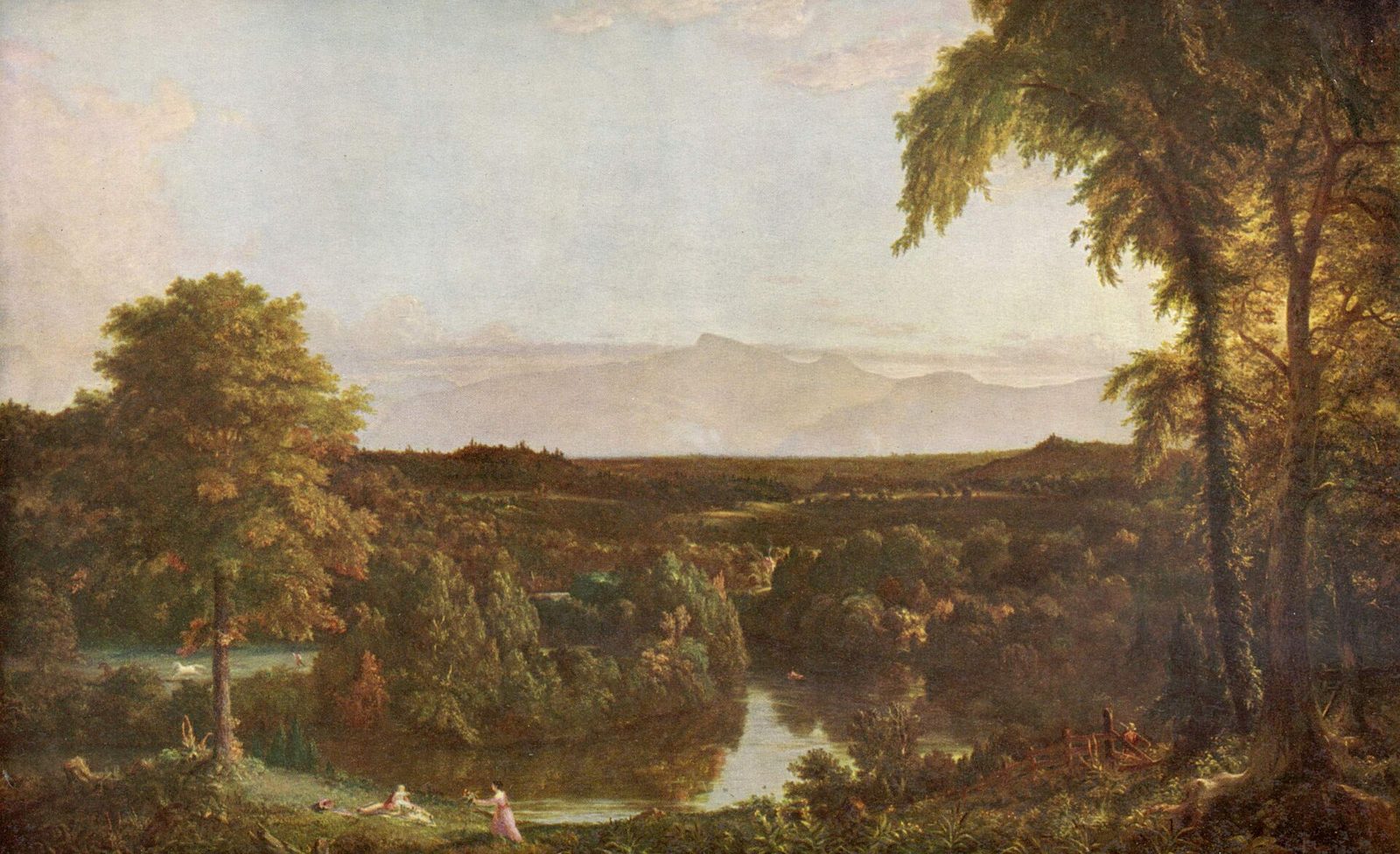
In 1825, the year the Erie Canal opened, a young English-born painter named Thomas Cole took a steamboat up the Hudson and came back with sketches of the Catskills. The paintings he made from them were noticed in New York, and the manner of them, wild scenery treated with the seriousness previously reserved for history painting, was taken up by Asher Durand, Frederic Church, Albert Bierstadt and others.
There was never a Hudson River School in the sense of an institution; the name was applied later, and not at first as a compliment. But it is the first body of painting anyone thought of as characteristically American, and it fixed an idea of the American landscape as something morally significant that has never entirely gone away.
Storm King
That idea had a practical consequence a century later. In 1962 Consolidated Edison proposed a pumped-storage plant at Storm King Mountain, where the river cuts through the Hudson Highlands. The plan required cutting into the mountain face, and a group of local residents formed the Scenic Hudson Preservation Conference to fight it.
The Federal Power Commission granted the licence anyway. Scenic Hudson appealed, and in 1965 the Second Circuit ruled that the commission had to consider scenic and recreational values, and that citizens with no economic stake had standing to make it do so. That decision is generally taken as the beginning of modern American environmental litigation. The plant was never built; the case was settled in 1980, and the land went to the state.