The Erie Canal
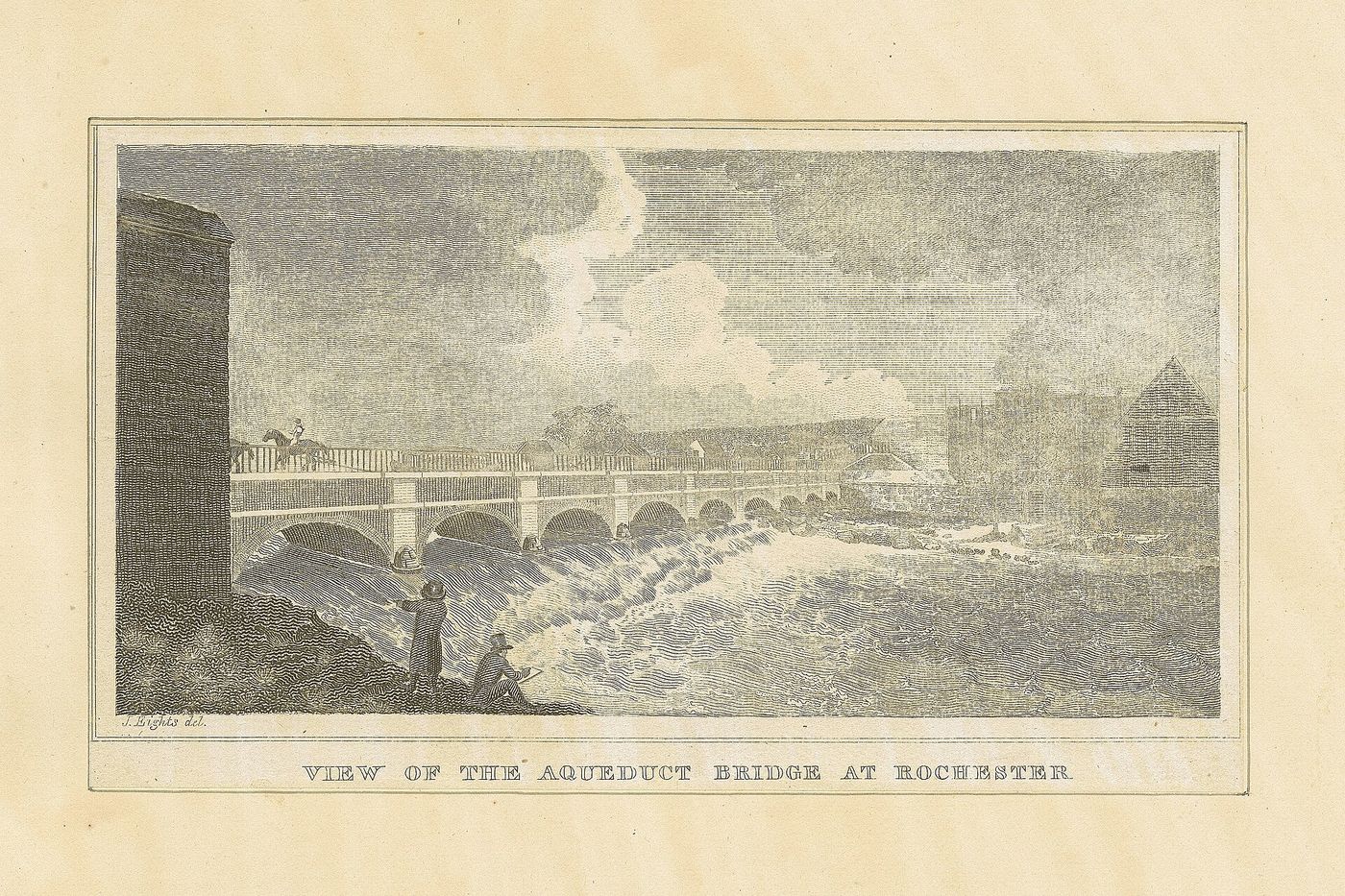
Nothing did more to decide the shape of New York than a trench of water dug across the middle of it. When work began at Rome on 4 July 1817, the United States had never attempted a public work on this scale, and few believed the state could finish it. Thomas Jefferson called the plan little short of madness. The canal opened eight years later, on 26 October 1825, and within a generation it had rearranged the commerce of a continent.
Clinton’s Ditch
The champion of the scheme was DeWitt Clinton, canal commissioner and later governor, and his opponents named the project after him in mockery. Clinton’s Ditch ran 363 miles from the Hudson at Albany to Lake Erie at Buffalo, climbing some 568 feet by means of 83 locks. It was four feet deep and forty feet wide at the surface, dug largely by hand and by animal power, by farmers and by Irish labourers, through forest, swamp and the limestone escarpment at Lockport.
The engineering was learned on the job. There was no school of civil engineering in the country, and the men who solved the problems of the Montezuma marshes and the Irondequoit valley became, by finishing them, the first generation of American engineers.
What it changed
The effect on freight was immediate and enormous. Moving a ton of goods from Buffalo to New York City had cost around a hundred dollars and taken three weeks by wagon; by canal it fell to a few dollars and took about a week. Wheat from the Genesee country, and soon from Ohio and beyond, could reach the Atlantic cheaply for the first time.
Two consequences followed. The first was the rise of New York City, which now had the only water-level route through the Appalachian barrier and swiftly overtook Philadelphia, Baltimore and Boston as the nation’s port. The second was the making of upstate itself. Rochester, Syracuse, Utica, Lockport and Buffalo were canal towns, and they grew at a speed that astonished visitors. Rochester was a village of a few hundred people when the canal was surveyed and a city of twenty thousand within twenty years, milling the wheat that floated past its doors.
The canal also carried ideas. The corridor it opened became known as the Burned-over District for the religious revivals that swept it, and it was along this line that the movements for abolition and for women’s rights found their footing. The convention at Seneca Falls in 1848 was held a few miles from the canal.
Enlargement and afterlife
The original channel was too small almost at once. An enlargement begun in 1836 deepened and widened it over the following decades, and in 1918 the state replaced it altogether with the Barge Canal, which used canalised rivers and lakes and could take much larger vessels.
Railways had taken the freight long before, and the canal’s commercial role dwindled through the twentieth century. What survives is a recreational waterway and a line of towns that would not exist without it, strung across the state in a row that still marks the route on any map of New York’s population.
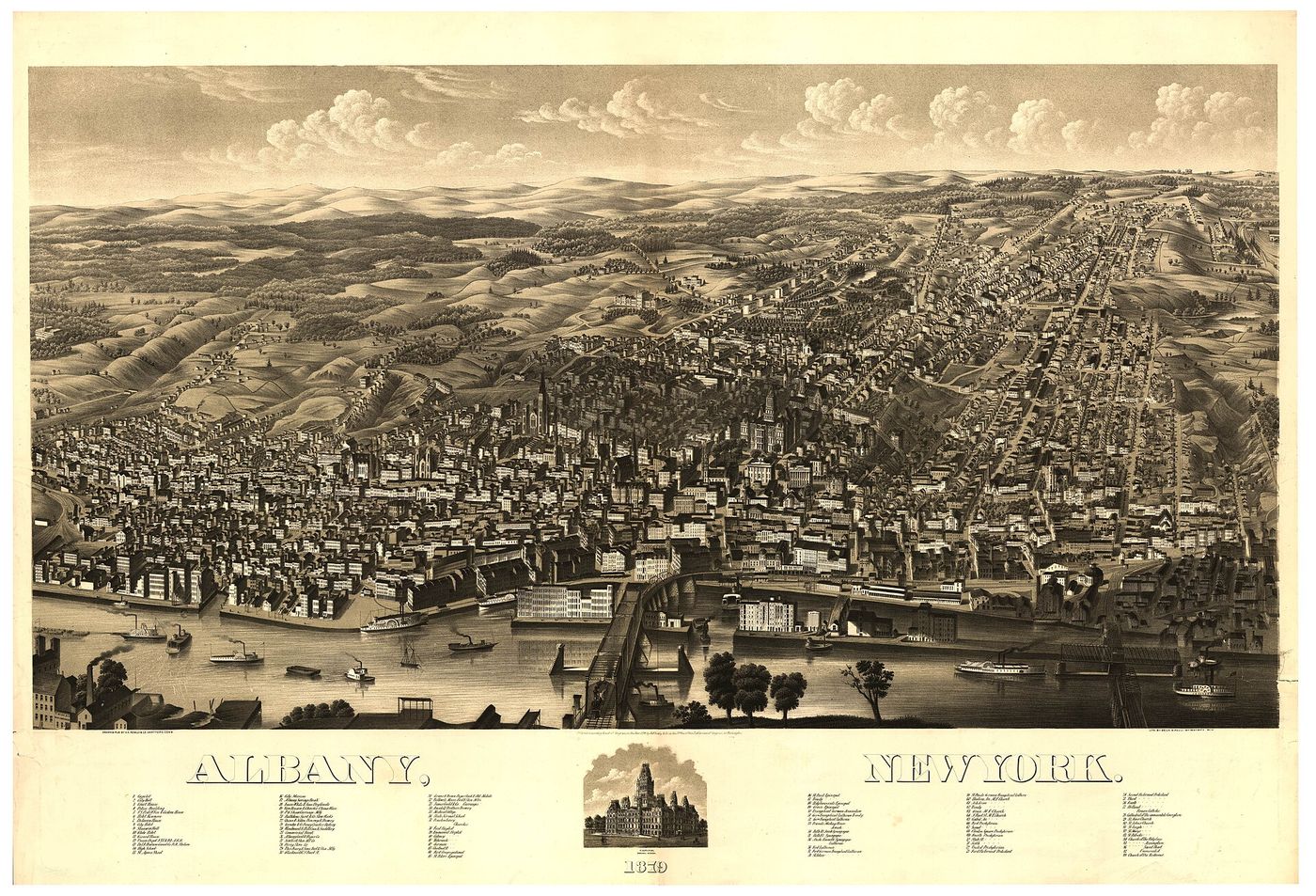
More about the city at the other end of the route: this visitor’s guide.
.jpg)